Precision in AI Films: Blender + MCP
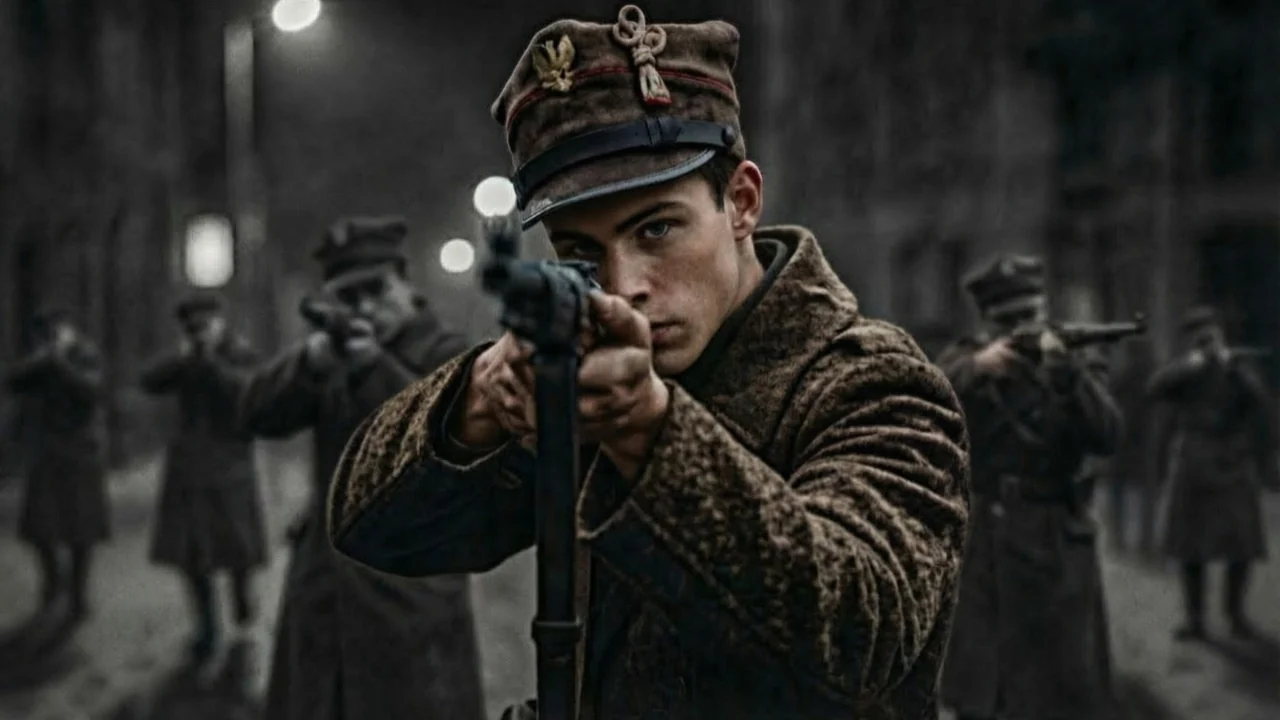
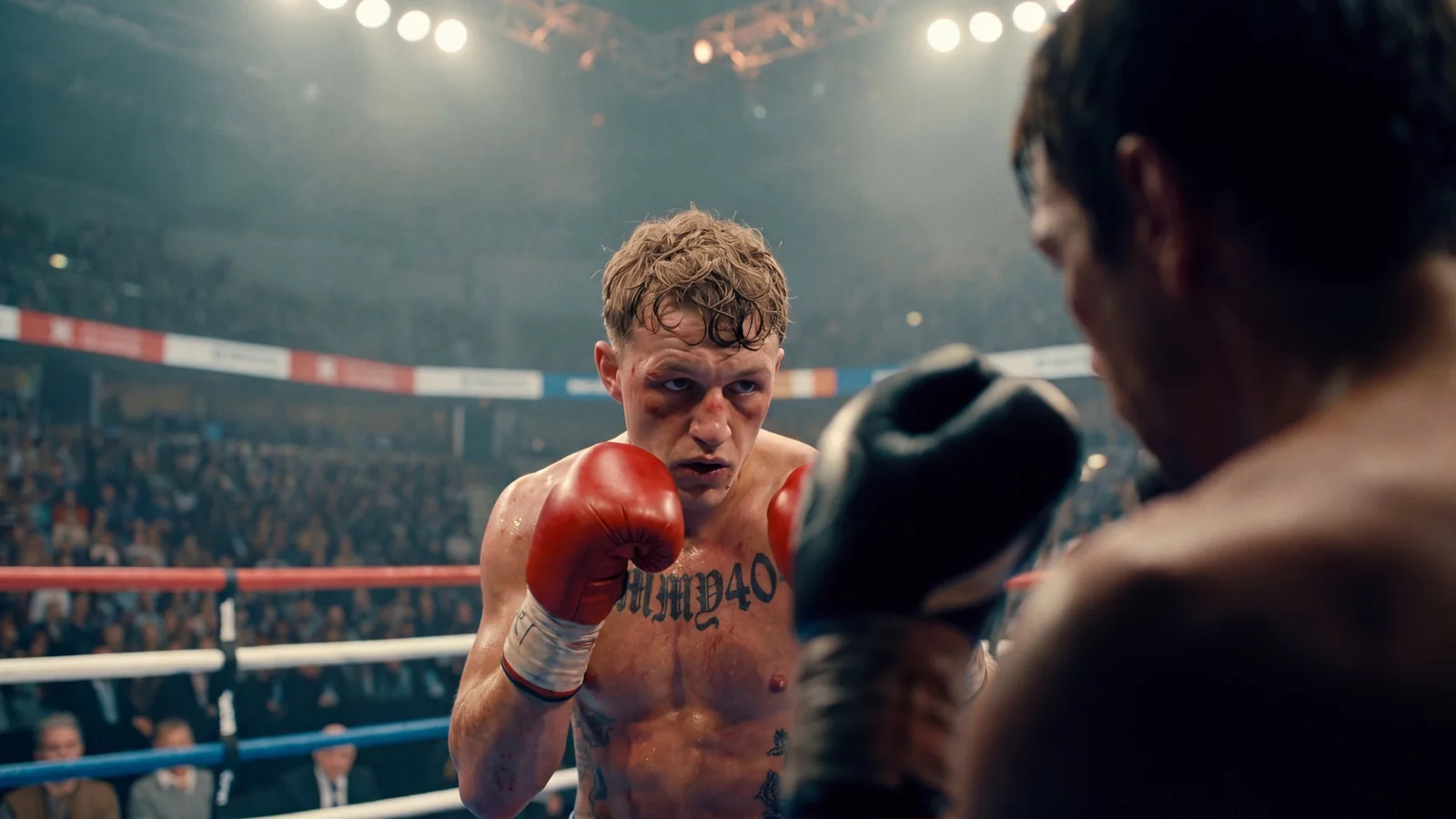
In our original film “Jimmy Boxer”, we tested Blender, MCP and generative video to see how precisely we could plan a scene and translate it into an AI film. Having tested the process on our own production, we are now adding it to the Narrix.studio offering.
Blender is a professional tool for 3D animation and visual effects, also used in Hollywood productions. It was used to create selected effects in the Oscar-winning “Everything Everywhere All at Once”. “Flow”, made in Blender, won the Academy Award for Best Animated Feature in 2025.
Today, Blender is finding a new role in generative filmmaking. It allows precise planning of camera and character movements, lens choices, perspective, composition and scene choreography. These are the capabilities we set out to test in our original film “Jimmy Boxer”.
Before adding the new solution to our offering, we tested it in practice. We wanted control over what the audience would see, from which perspective, in what order and at what pace. A text prompt alone left the generator too much room to interpret the boxers’ positions and movements. We needed a visual reference that would communicate the scene before its cinematic version was generated.
In Blender, we built the scene using simple shapes and planned the characters’ positions, camera movements and action. We then used this to create an animated reference for the video generator. The shot below shows how this works in practice.
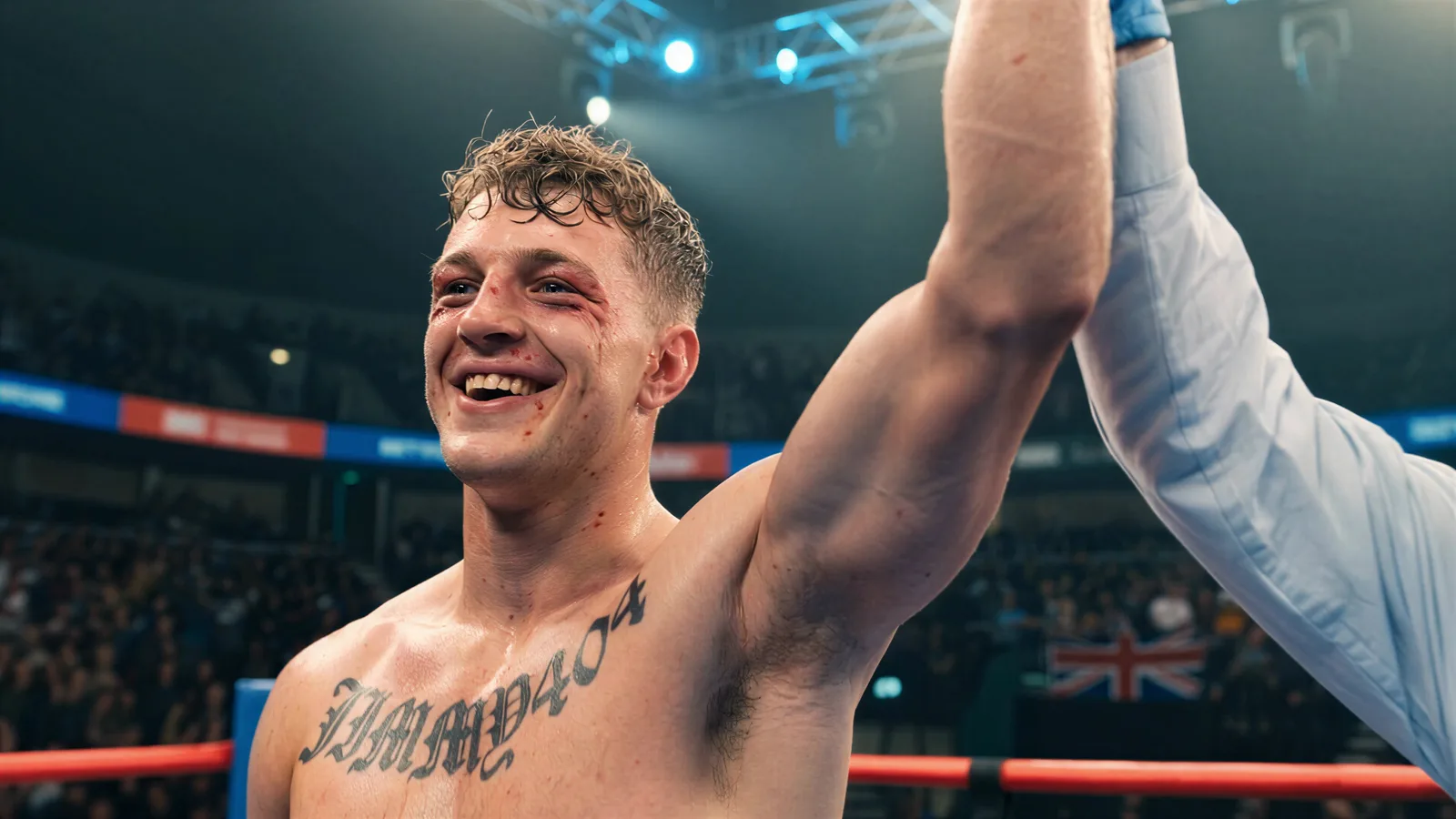
Connecting AI to Blender through MCP played an important role. Our specialist filmmaking agents helped operate the software and prepare the scene. Blender defined the movement and composition, while the AI generator gave the shots natural motion, lighting and a cinematic look.
This test has become part of our filmmaking practice. We now use this approach in projects for clients who value precision and control over their message. We can plan how a product moves in a commercial, the angle from which the camera shows it and the moment its key feature is revealed. Movement and composition can then guide the viewer’s attention to what the brand wants to highlight. The human directs the image — AI supports them rather than taking over.